

RAIL TRANSPORTATION
Rail transport, one of the most common and preferred modes of transportation both domestically and internationally, is simply understood as the movement of goods and passengers by train along designated railway lines. This mode of transport is considered unique due to its use of fixed rail tracks and is widely recognized for its remarkable efficiency. It excels in transporting large volumes of cargo over long distances while ensuring high levels of safety and reliability.
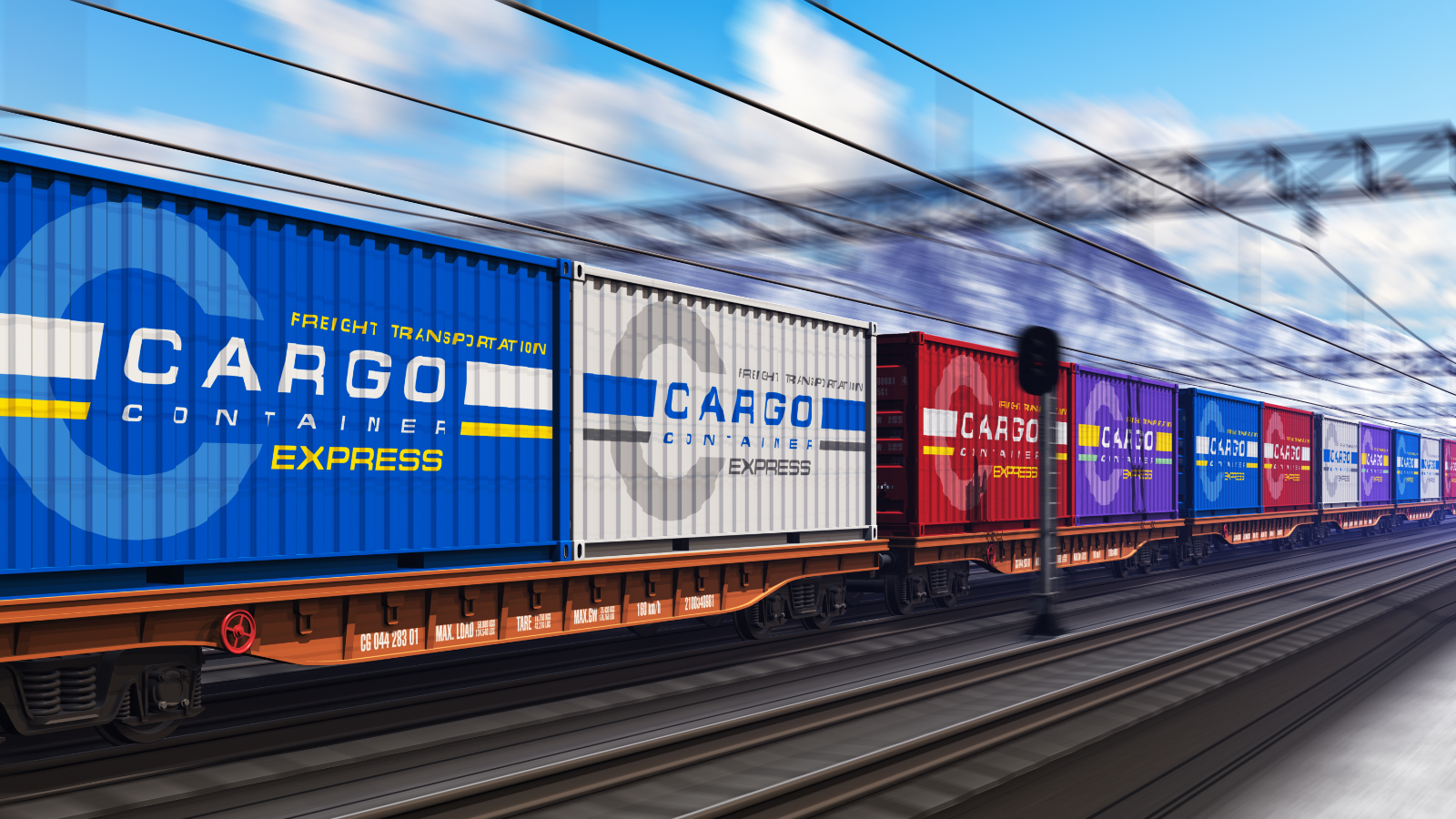
In reality, each railway system operates under its own set of regulations and standards, from track gauge specifications to essential safety equipment. In Vietnam, the railway network has a long and rich history, dating back to the French colonial era. Over the years, it has undergone various phases of reform and modernization to better serve the growing needs of passenger travel and freight transportation.
Although it is a traditional mode of transport, rail transport has never lost its significance. On the contrary, it continues to play a central role in the global economy. Thanks to ongoing advancements in railway infrastructure, this mode of transport has become increasingly cost-efficient, while also helping to address major challenges such as traffic congestion and environmental pollution. This is why many manufacturing and trading enterprises prioritize rail transport as a reliable solution for delivering goods to market swiftly and effectively.
Advantages and Disadvantages of Rail Transport

Like all other modes of transportation, rail transport comes with its own set of advantages and disadvantages, which can significantly influence the decisions of both passengers and businesses when selecting the most suitable transport method.
Advantages
- Cost-effective: One of the main reasons rail transport is favored is due to its significant cost savings, especially when transporting heavy goods in large volumes. According to recent statistics, rail freight costs are approximately 20–25% lower than road transport, offering substantial savings for businesses.
- High efficiency: Trains are known for their excellent energy efficiency. They can cover long distances at high speeds while consuming less fuel compared to trucks or cars. This not only lowers operational costs but also reduces environmental impact.
- Safety: Rail transport is considered safer than road transport. For example, in Vietnam in 2024, there were 21,532 road traffic accidents, whereas the railway sector reported only 184 accidents, accounting for just 0.85% of total traffic incidents. This relatively low accident rate makes rail transport a trusted and secure option.
- Large cargo capacity: Railways are capable of transporting large volumes of cargo efficiently, making them particularly suitable for heavy industries such as coal, steel, cement, and agricultural products.
- Less weather-dependent: Unlike road or air transport, rail services are less affected by adverse weather conditions like storms or heavy rain, allowing for more reliable scheduling.
Disadvantages
- Limited flexibility: Rail transport is restricted to fixed rail networks, which limits accessibility to areas without railway stations. This often requires additional road transport support (e.g., trucks) for first- and last-mile delivery.
- Longer transit times: Although trains offer stable schedules, rail transit times may be longer than air or express road transport, especially over long distances.
- High infrastructure costs: Building and maintaining rail infrastructure—such as tracks, stations, locomotives, and freight cars—requires substantial investment, often relying on government funding or large-scale financing.
- Less suitable for small consignments: Rail transport is more cost-effective for bulk shipments, but is not ideal for small parcels or low-volume goods due to logistical and consolidation challenges.
Common Goods Transported by Rail

In practice, rail transport plays a significant role in the transportation of a wide variety of goods, ranging from general commodities to specialized cargo.
- General Cargo: This is the most common type of cargo in rail transport. General cargo includes building materials, food, consumer goods, and many other types of products. Due to its large capacity, rail is often used to transport goods from production centers to consumption points.
- Raw Materials: Items such as coal, iron ore, cement, and crude oil are frequently transported by rail, thanks to its high load-bearing capacity and efficiency. Moreover, transporting raw materials by train helps minimize risks during transit and protects the environment by reducing emissions from other transportation methods.
- Refrigerated and Specialized Goods: For goods that require special storage conditions, such as frozen foods, pharmaceuticals, or hazardous materials, rail transport offers suitable solutions. Specially designed freight cars are available to maintain stable temperatures throughout the journey, ensuring the goods remain in excellent condition upon arrival.
Rail transport is not just a mode of transportation; it is an essential part of every country’s transportation network. Although challenges remain regarding infrastructure and speed, with strong investments from both government and private organizations, rail transport continues to improve its quality and solidify its position among consumers and businesses.
With years of experience, PSL Logistics is confident in leveraging the advantages of rail transport to provide comprehensive logistics solutions for your business. Our services not only help optimize costs but also ensure that the entire transport process is safe and on schedule.
CONTACT US:
🏠 Head office: Room 1802, 18th Floor, CatBi Plaza Commercial Center Building, No. 1 Le Hong Phong, Ngo Quyen Ward, Hai Phong City, Vietnam.
📍 Hanoi Branch: 4th Floor, HB Building, No. 10 Thanh Liet Commune, Thanh Tri Ward, Hanoi Capital, Vietnam.
📍 Thai Binh Branch: Lot 01, Road 25, Ky Dong Urban Area, Tran Hung Dao Ward, Hung Yen Province, Vietnam.
📍 Quang Ninh Branch: Lot 06, Zone 8, Uong Bi Ward, Quang Ninh Province, Vietnam.
📞 Phone number: +(022) 53555099
🗂 MST: 0202163857
📱 Fanpage: https://www.facebook.com/psllogistics.JSC
🌐 Website: https://psl-logistics.vn/
📩 Email: info@psl-logistics.vn

OPTIMIZING TRANSPORTATION NETWORKS DURING PEAK SEASONS: WHERE SHOULD LOGISTICS COMPANIES START BEING PROACTIVE?
What Are Local Charges? Common Types of Local Charges in Shipping