


LATEST UPDATE ON THE 2025 CUSTOMS PROCEDURES DECREE: KEY CONSIDERATIONS FOR BUSINESSES
On March 15, 2025, the Government officially issued Decree No. 15/2025/ND-CP amending and supplementing a number of articles of Decree 59/2018/ND-CP on customs procedures, inspection, supervision and control of import and export goods. This new Decree takes effect from June 1, 2025 and is expected to promote customs modernization, while also setting many new requirements for export enterprises.
Mục Lục
Summary of notable new points in Decree 15/2025/ND-CP
• Strengthening the automation of customs procedures: All export enterprises are required to make 100% electronic declarations via the VNACCS System, including non-commercial goods.
• Shortening the standard customs clearance time: The time for processing declarations is stipulated to be a maximum of 4 working hours from the time of submission of complete documents (except in cases of physical inspection).
• Supplementing the list of export goods requiring specialized inspection: Some items such as wooden furniture, medicinal materials, and semi-processed agricultural products are now included in the list of pre-export quality inspections.
• Tightening control of preferential C/O: FTAs in effect such as EVFTA and CPTPP will require additional submission of original documents to avoid origin fraud.
• Increasing the level of penalties for violations: Violations of false declaration of HS codes or lack of accompanying documents can be fined up to VND 100 million, instead of the previous maximum of VND 30 million.
Customs procedures affected by each type of transportation
For road exports
• Strengthening inspections at secondary border gates and open trails.
• Enterprises transporting to China must submit a declaration + contract + bill of lading in advance, and have confirmation from the import partner on the other side of the border.
For sea exports
• Major seaports such as Cat Lai and Hai Phong apply the Automated Container Inspection System (AIS).
• Increase inspection of FCL containing agricultural, wood and seafood products to ensure traceability.
For air exports
• Apply risk assessment before customs clearance, high-risk goods must be inspected in detail.
• Special control of dangerous goods, lithium batteries and chemicals.
Impact on Exporting Enterprises
Decree 15/2025/ND-CP has a multi-dimensional impact on export activities, not only in customs declaration but also in internal processes, operating costs, delivery times and legal compliance of enterprises. The expansion of the list of specialized inspection goods forces many enterprises, especially in the fields of wood, agricultural products and medicinal materials, to supplement documents such as quarantine certificates and traceability records, which increases testing and inspection costs, as well as prolongs preparation time before customs clearance.
For example, a furniture exporting enterprise in Binh Duong previously only needed to declare C/O and customs declaration to be able to export goods, but now must submit additional wood quality inspection papers before the goods leave the port. If not completed in time, the container may be held at the port for 3-5 days, incurring tens of millions of VND in additional storage costs and the risk of delaying contracts with European customers. In addition, the new regulation on declaration processing time is only 4 working hours, forcing businesses to upgrade their internal accounting and logistics systems to ensure data standardization and speed up coordination between departments (import-export, warehouse, finance).
In particular, businesses that declare incorrect HS codes or fail to update changes in preferential C/O in time can be fined up to 100 million VND, directly affecting cash flow and reputation. This is a big challenge for small and medium-sized enterprises (SMEs) that do not have a specialized customs team or have not hired a professional service unit.
Specific impact on each industry
• Agricultural products: Strongly affected by new regulations requiring mandatory quality control, plant quarantine, and traceability. Enterprises exporting fruits and vegetables to China or the EU must prepare documents in advance and coordinate with specialized agencies to avoid customs clearance refusal or surprise inspections at the border gate.
• Textile and garment industry: It is necessary to accurately update HS codes and standardize C/O according to each trade agreement. Some fabric materials and accessories imported from China that do not meet the rules of origin will not enjoy tax incentives from EVFTA or CPTPP, increasing export costs.
• Electronics industry: Faced with requirements to inspect components that pose a safety risk (such as batteries, electronic circuits), and comply with regulations on transporting dangerous goods by air. In addition, small errors in declaring component codes can cause businesses to delay shipments and undergo in-depth inspections.
Adaptation plans and solutions in 2025
• Review the entire customs declaration process: Ensure consistent data between contracts, invoices, packing lists and electronic declarations.
• Standardize C/O documents and FTA documents: Check the correct form for each market (for example: C/O form EUR.1 for EVFTA).
• Train a professional declaration team: Avoid declaring incorrect HS codes, leading to delayed customs clearance or fines.
• Cooperate with a reputable logistics unit with standard customs declaration services, helping to reduce legal risks and ensure timely customs clearance.
Conclusion
Decree 15/2025/ND-CP is a step forward in the process of modernizing Vietnam Customs. However, to take advantage of opportunities and avoid risks, businesses need to quickly adapt to changes in procedures, documents and declaration responsibilities.Contact PSL Logistics for timely and effective support during this transition period.
CONTACT INFORMATION
🏠 Head office: Room 1802, 18th Floor, CatBi Plaza Commercial Center Building, No. 1 Le Hong Phong, Ngo Quyen Ward, Hai Phong City, Vietnam.
📍 Hanoi Branch: 4th Floor, HB Building, No. 10 Thanh Liet Commune, Thanh Tri Ward, Hanoi Capital, Vietnam.
📍 Thai Binh Branch: Lot 01, Road 25, Ky Dong Urban Area, Tran Hung Dao Ward, Hung Yen Province, Vietnam.
📍 Quang Ninh Branch: Lot 06, Zone 8, Uong Bi Ward, Quang Ninh Province, Vietnam.
📞 Phone number: +(022) 53555099
🗂 MST: 0202163857
📱 Fanpage: https://www.facebook.com/psllogistics.JSC
🌐 Website: https://psl-logistics.vn/
📩 Email: info@psl-logistics.vn

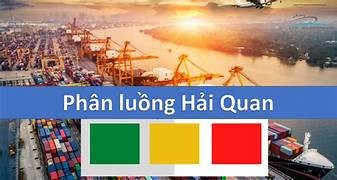
WHAT IS CUSTOMS CLEARANCE CHANNELING? HOW TO AVOID THE “RED CHANNEL”?
WHAT IS THE DIFFERENCE BETWEEN LOGISTICS AND SUPPLY CHAIN?