

LOGISTICS CAREER PATHS: FINDING THE BEST FIT
The logistics industry is growing strongly in Vietnam and around the world, opening up many attractive career opportunities for those who want to build a career in this dynamic and potential field. But the question is: What will the Career Path best in the logistics industry? And in what directions can you develop?
Mục Lục
What is logistics and why should you choose it?
Logistics is the process of managing and coordinating the flow of goods, information and resources from the point of origin to the final point of consumption. This is an important link that helps businesses save costs, increase efficiency and enhance competitiveness.
With an increasingly important role in the global supply chain, logistics is not just a “logistics” job but a strategic profession, with high applicability, competitive salary and clear promotion opportunities.
Popular development directions in the logistics industry
-
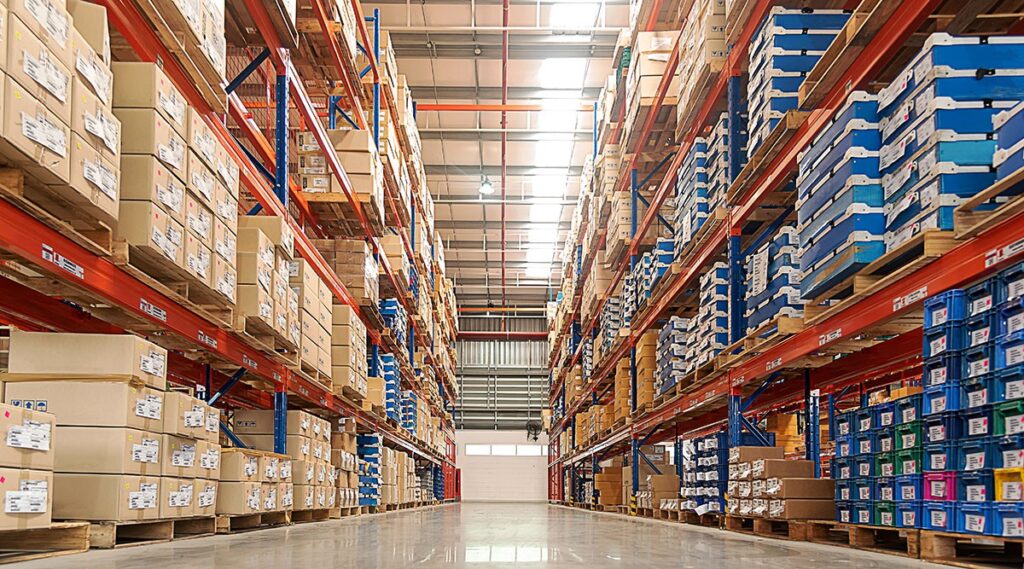
Warehouse & Inventory Management
Warehouse staff are the ones who directly handle goods in the warehouse. They perform tasks such as receiving, counting, sorting, arranging and packing goods according to orders. This job requires carefulness, good physical strength and accurate record keeping to ensure that inventory quantities are always accurate.
Warehouse coordinators are responsible for planning import – export – inventory, monitoring the status of goods, coordinating with the transportation department and managing storage space effectively. They are the ones who regulate the rhythm between warehouse activities and related departments so that goods are not congested or in short supply.
Warehouse managers are responsible for operating all warehouse activities: from human resource management, operating procedures, inventory control to ensuring safety and reasonable costs. This is a position that requires good management skills and extensive practical experience to maintain operational efficiency.
-
Transportation & Freight Forwarding
Transportation dispatchers plan daily deliveries, dispatch vehicles, select optimal routes, and ensure goods are delivered on time. They also handle issues that arise such as traffic jams, breakdowns, or schedule changes.
A document – freight forwarder works mainly with documents such as bookings, invoices, bills of lading, and customs documents. They contact shipping lines, airlines, and agents to ensure that shipments are transported smoothly. This job requires meticulousness and understanding of international procedures.
A customs declaration specialist is a business representative who works directly with customs authorities. They declare information about goods, calculate taxes, check HS codes, and ensure that goods are cleared quickly and in accordance with legal regulations. Knowledge of law and business is required.
-
Supply Chain Management
A supply planner is someone who plans purchasing, production, and distribution in the most reasonable way. They forecast consumer demand, track inventory, and ensure that goods are always available at the right place, at the right time. This position requires systems thinking and the ability to analyze data.
A Supply Chain Analyst uses data to measure performance, assess risks, and recommend improvements in the supply chain. They are the ones who “understand” the entire operating system and contribute to optimization with scientific solutions.
A supply chain manager is someone who builds a comprehensive strategy for the entire chain: from selecting suppliers, optimizing inventory, negotiating shipping rates to planning the distribution of goods. They are often people with many years of experience and leadership skills, coordinating many different departments.
-
Sales & Customer Service
Customer service staff act as a bridge between the business and the customer. They receive requests, answer questions, update delivery progress and support when there are problems. Good communication and a professional attitude are the factors that determine the effectiveness of this job.
Sales Logistics staff are the ones who directly search for new customers, introduce transportation, warehousing, customs clearance services, etc. They quote prices, negotiate contracts and ensure revenue according to targets. To be successful, they need professional knowledge and high persuasion skills.
Team leaders or sales directors have the role of developing market expansion strategies, managing the sales team and taking care of large customers. This is a position that requires practical experience and the ability to operate flexibly in a highly competitive environment.
-
Project & Process Improvement
Logistics process improvement specialists focus on optimizing operational systems, reducing waste, and increasing productivity. They often recommend technology applications such as warehouse management software (WMS), transportation tracking systems (TMS), or process automation.
Logistics project managers are responsible for projects such as warehouse expansions, system upgrades, ERP implementations, or supply chain optimization. They plan, allocate resources, monitor progress, and ensure projects are delivered on time, within budget, and on target.
Skills needed for long-term development
No matter which direction you pursue, you need to equip yourself with core skills to succeed in the logistics industry:
- Communication and teamwork skills
- Organizational and time management skills
- Knowledge of Incoterms, customs, import-export regulations
- Proficiency in logistics management software (ERP, TMS, WMS, etc.)
- Foreign languages, especially specialized English
- Analytical thinking and problem solving
Learning and promotion opportunities
The logistics industry has a systematic training system at universities, colleges and specialized training centers. In addition, participating in short-term courses and international certification programs such as FIATA, APICS, CILT, etc. will also help you improve your capacity and increase your promotion opportunities.
Many young people start as interns, field staff and develop into management positions after only 3-5 years if they demonstrate their ability and learning spirit.
Conclusion
Career Path in the logistics industry has no “common denominator” – the important thing is that you choose a direction that suits your ability, interests and personal orientation. With the current growth rate, the logistics industry promises to be a “golden land” for you to develop a solid and long-term career.
CONTACT INFORMATION
🏠 Head office: Room 1802, 18th Floor, CatBi Plaza Commercial Center Building, No. 1 Le Hong Phong, Ngo Quyen Ward, Hai Phong City, Vietnam.
📍 Hanoi Branch: 4th Floor, HB Building, No. 10 Thanh Liet Commune, Thanh Tri Ward, Hanoi Capital, Vietnam.
📍 Thai Binh Branch: Lot 01, Road 25, Ky Dong Urban Area, Tran Hung Dao Ward, Hung Yen Province, Vietnam.
📍 Quang Ninh Branch: Lot 06, Zone 8, Uong Bi Ward, Quang Ninh Province, Vietnam.
📞 Phone number: +(022) 53555099
🗂 MST: 0202163857
📱 Fanpage: https://www.facebook.com/psllogistics.JSC
🌐 Website: https://psl-logistics.vn/
📩 Email: info@psl-logistics.vn


OPTIMIZING TRANSPORTATION NETWORKS DURING PEAK SEASONS: WHERE SHOULD LOGISTICS COMPANIES START BEING PROACTIVE?

What Are Local Charges? Common Types of Local Charges in Shipping