

WHAT IS INTERNATIONAL SEA TRANSPORTATION? ADVANTAGES AND DISADVANAGES OF INTERNATIONAL SEA TRANSPORTATION?
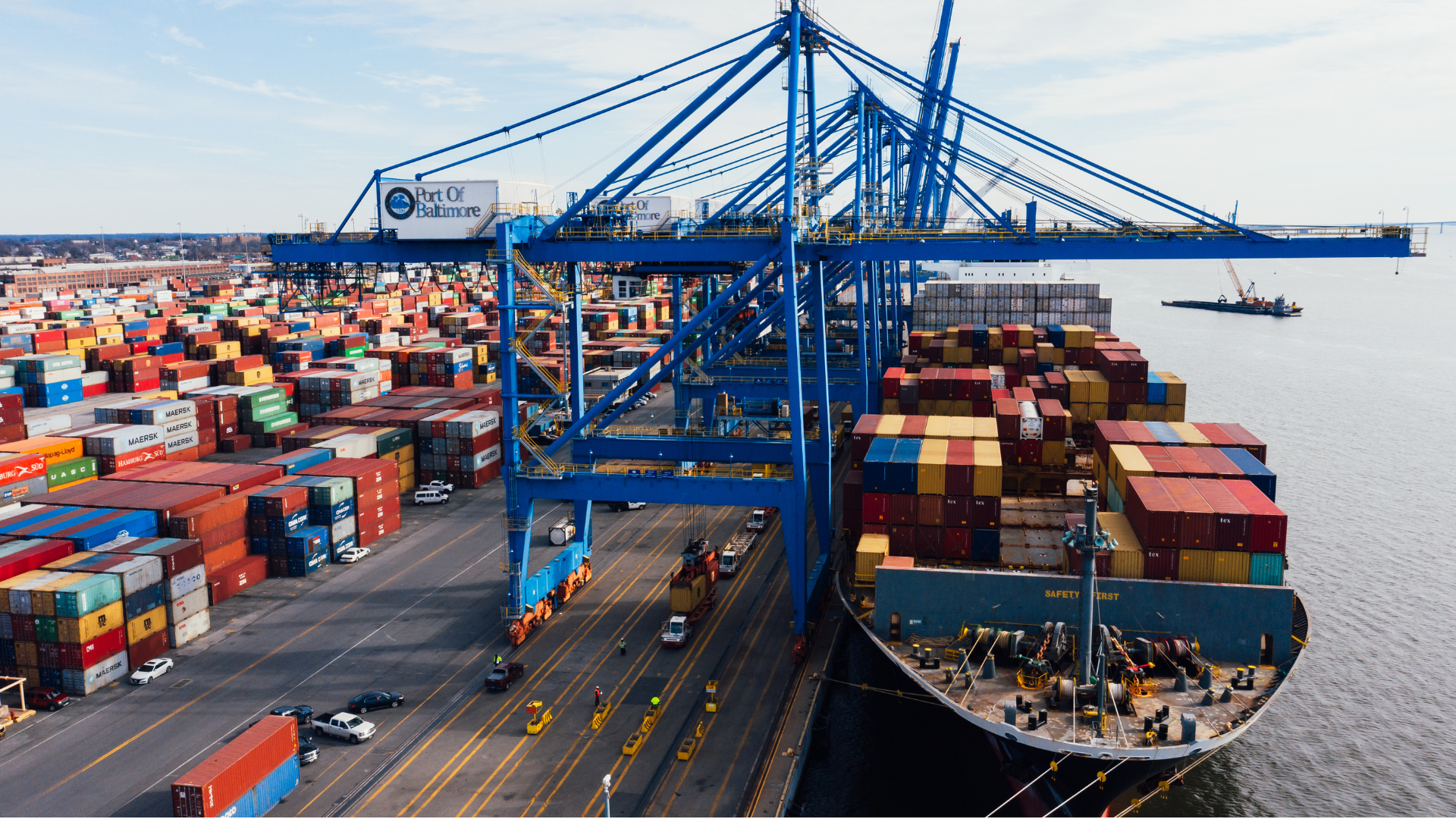 In the context of increasingly developing globalization, the demand for trade between countries around the world is rising rapidly. International sea freight has become one of the key solutions to meet this growing demand. Playing a crucial role in connecting nations, territories, and continents, approximately 90% of the world’s cargo volume is transported by sea, marking a tremendous contribution to global economic activities. Thanks to its flexibility, cost-effectiveness, and capacity to handle large shipments, international sea freight has become the backbone of the global supply chain.
PSL Logistics partners with major shipping lines and a trusted network of global agents, ensuring our international sea freight services maintain high-quality standards at the most competitive rates.
Mục Lục
Definition of Sea Freight
International sea freight refers to the process of transporting goods from one country or region to another via sea routes. This involves using specialized cargo ships designed to meet the demands of international trade. It is one of the oldest and most efficient modes of transportation, particularly suited for moving large, bulky shipments at optimal cost.
Characteristics of Sea Freight
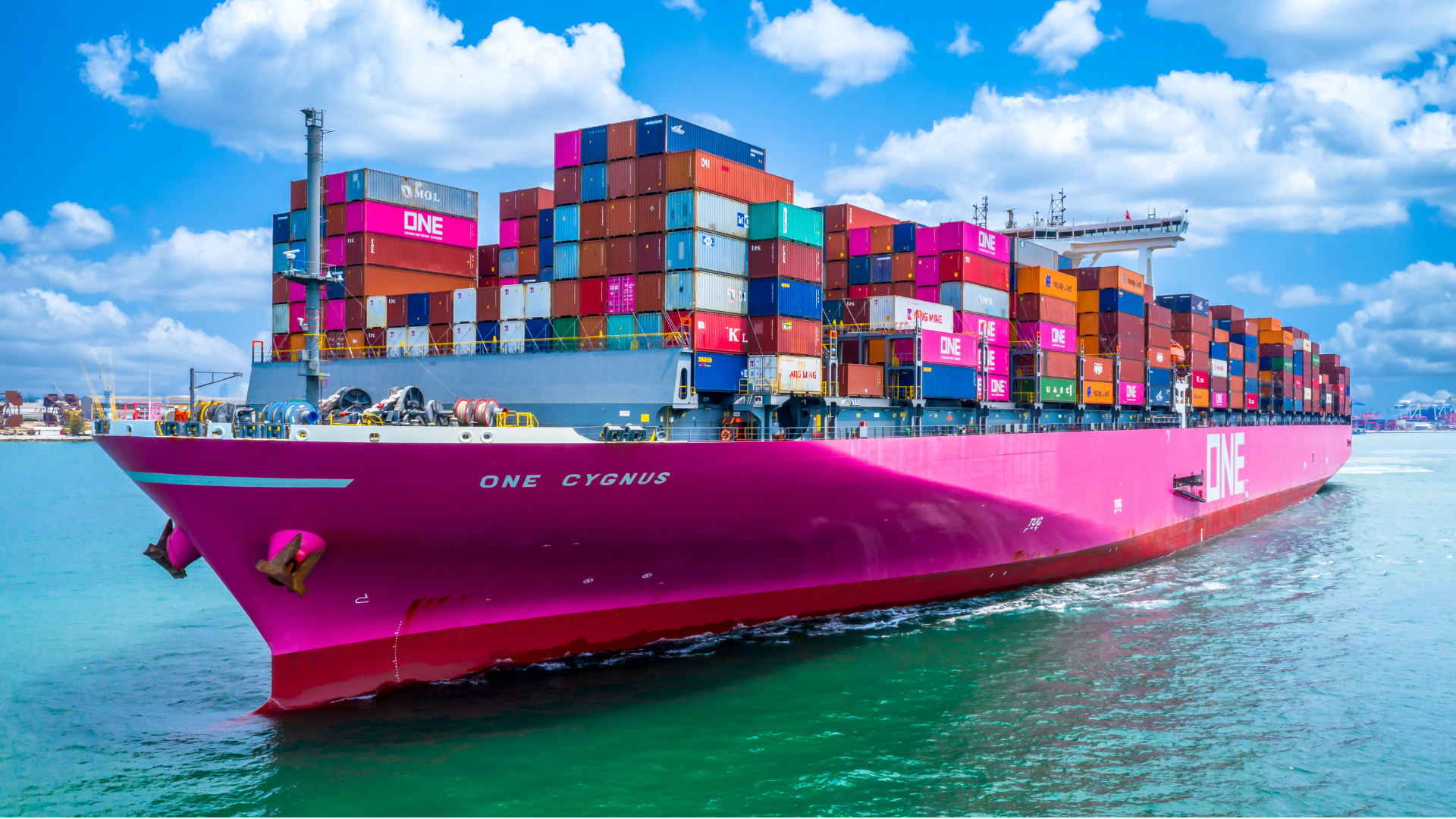
Here are the key characteristics that make international sea freight the preferred choice for many businesses:
Large Cargo Capacity
- Sea freight can carry massive volumes of goods, including bulk cargo (coal, ore, grain) and containerized goods.
- It is ideal for transporting large and heavy items that other modes of transport cannot handle.
Low Transportation Costs
- Compared to road or air transport, sea freight offers lower costs, especially for bulky and high-volume shipments.
- Fuel costs per unit of cargo are generally lower due to the large carrying capacity of ships.
Extensive Coverage
- Connects countries and continents globally through international shipping routes.
- Can deliver goods to numerous seaports worldwide, facilitating easy distribution.
Longer Transit Times
- Ships move slower than aircraft, resulting in longer delivery times.
- Suitable for non-urgent shipments but less ideal for perishable goods requiring fast delivery.
Dependency on Natural Conditions
- Shipping schedules can be affected by weather events and natural disasters (storms, tsunamis, ocean currents), potentially causing delays or risks to cargo.
- Some regions are vulnerable to piracy, posing risks to cargo security.
Relatively High Safety
- Compared to road transport, maritime transport has a lower accident rate. However, incidents like shipwrecks or oil spills can cause significant losses.
- Marine insurance policies help mitigate such risks.
Diverse Transportation Methods
- Multiple specialized vessel types, such as container ships, bulk carriers, oil tankers, refrigerated ships, and Ro-Ro (Roll-on/Roll-off) vessels for cars, cater to different cargo needs.
- Easily integrated with other transportation methods like rail and trucking (multimodal transport).
Complex Legal Procedures
- International sea freight must comply with global regulations and conventions such as SOLAS (Safety of Life at Sea), MARPOL (International Convention for the Prevention of Pollution from Ships), and Incoterms.
- Requires more complicated customs clearance, inspection, and documentation processes compared to domestic shipping.
Advantages and Disadvantages of Sea Freight
Using international sea freight offers numerous prominent advantages, as listed below:
| Advantages | Disadvantages |
| Low Cost: International sea freight helps save costs, especially with large volumes of cargo. | Long Delivery Time: One of the major drawbacks of international sea freight is that ships travel slower than other modes of transport, such as air freight. This can affect delivery schedules and customer requirements for timely shipments. |
| Versatile Cargo: Almost any type of cargo can be transported via sea freight. Today, there are various types of ships designed to accommodate most kinds of goods. | Dependence on Weather Conditions: Sea freight is vulnerable to being affected by storms, high waves, and unpredictable weather. This requires businesses to have contingency plans in place to minimize risks during adverse weather conditions. |
| Large Cargo Capacity: Compared to other transport methods, international sea freight can carry very large quantities of goods. Additionally, heavy items like cars and industrial machinery can also be transported by sea. | Complex Procedures: International sea freight involves customs procedures and legal documentation that can be challenging and time-consuming if not properly prepared. |
| Cargo Safety: Sea freight generally minimizes the risk of accidents and collisions, especially compared to road transport. | Need for Multi-modal Transport: To ensure that goods reach the destination, sea freight often requires coordination with other modes of transport, such as trucks or rail. However, this is not a major barrier if well-organized and managed. |
Exporting Goods by Sea: Process and Key Points
- Planning and Signing the Shipping Contract: International sea transport begins with negotiating shipping terms (Incoterms), freight rates, and selecting the appropriate means of transportation.
- Packing and Preparing Goods: Before shipping, ensure the goods are properly packed and meet international standards to minimize loss or damage during transport.
- Customs Procedures in the Exporting Country: Before shipping, prepare necessary documents such as the commercial invoice, bill of lading, and certificate of origin.
- Shipping Goods by Sea: Goods are loaded onto the ship at the port of departure and transported along the designated route to the destination port.
- Customs Procedures at the Destination Port: Carry out the import customs procedures, inspect goods, and pay taxes (if applicable) to clear the goods for legal import.
- Delivery to the Recipient: Finally, goods are transported from the destination port to the recipient’s location using domestic transport, such as trucks or trains, completing the shipping process.
Key Considerations When Exporting by Sea
When choosing international sea transport, businesses need to consider the following:
- Packaging Goods: Goods must be carefully packed and meet international standards.
- Choosing a Reliable Shipping Provider: Selecting a reputable shipping provider ensures the safety of your goods.
- Document Verification: Preparing all required documents properly will ensure a smooth shipping process and avoid legal issues.
- Consideration of Shipping Time: As sea transport generally takes longer than other transport methods, businesses should plan accordingly to ensure timely delivery.
- Freight Rates: Shipping costs by sea depend on various factors, so it’s essential to research and understand the rates before choosing a shipping provider.
Why PSL Logistics is your choice?
PSL Logistics is proud to be one of the companies with contracts with major shipping lines and a reliable global network. When choosing PSL Logistics for international sea transport services, you will enjoy the following benefits:
- Fast, Accurate, and Cost-Effective: PSL Logistics offers fast and accurate services that meet the specific requirements of each customer, with the most competitive and optimized pricing.
- Professional Team: Our team consists of experienced experts who deeply understand the logistics field, ensuring high-quality service. We always prioritize customer interests, which helps PSL Logistics affirm its position as a trusted provider of professional logistics services.
- Professional Attitude: PSL Logistics adheres to timelines, ensuring that goods are transported as per the set schedule. We consistently communicate and update information with partners to provide optimal services that precisely meet each customer’s needs.
- Global Network: PSL Logistics has strategic partnerships with leading shipping lines and trusted agents worldwide. This network ensures that our international sea transport services are not only of superior quality but also offer the most competitive prices.
Conclusion
International sea transport is one of the most important and widely used methods of shipping worldwide. Through this article, PSL Logistics hopes you now have a better understanding of the process and necessary information for exporting goods by sea. Let us become your trusted transportation partner!
CONTACT US:
🏠 Head office: Room 1802, 18th Floor, CatBi Plaza Commercial Center Building, No. 1 Le Hong Phong, Ngo Quyen Ward, Hai Phong City, Vietnam.
📍 Hanoi Branch: 4th Floor, HB Building, No. 10 Thanh Liet Commune, Thanh Tri Ward, Hanoi Capital, Vietnam.
📍 Thai Binh Branch: Lot 01, Road 25, Ky Dong Urban Area, Tran Hung Dao Ward, Hung Yen Province, Vietnam.
📍 Quang Ninh Branch: Lot 06, Zone 8, Uong Bi Ward, Quang Ninh Province, Vietnam.
📞 Phone number: +(022) 53555099
🗂 MST: 0202163857
📱 Fanpage: https://www.facebook.com/psllogistics.JSC
🌐 Website: https://psl-logistics.vn/
📩 Email: info@psl-logistics.vn

OPTIMIZING TRANSPORTATION NETWORKS DURING PEAK SEASONS: WHERE SHOULD LOGISTICS COMPANIES START BEING PROACTIVE?
What Are Local Charges? Common Types of Local Charges in Shipping